Reclaiming unused land for the bees of the South West
We acquire forgotten plots of land and give them back to nature — building bee shelters and hives, planting trees, and sowing wildflower meadows to reverse the decline of our most essential pollinators.
From forgotten land to thriving habitat
Across the South West, pockets of land lie unused — neglected verges, empty lots, and overgrown orchards. We turn them into a connected network of bee sanctuaries, weaving wildflower corridors between our towns and countryside.
Every plot we acquire becomes a home for pollinators: hives for honeybees, shelters for solitary bees, and a living larder of nectar-rich flowers and trees.
Read the history of bees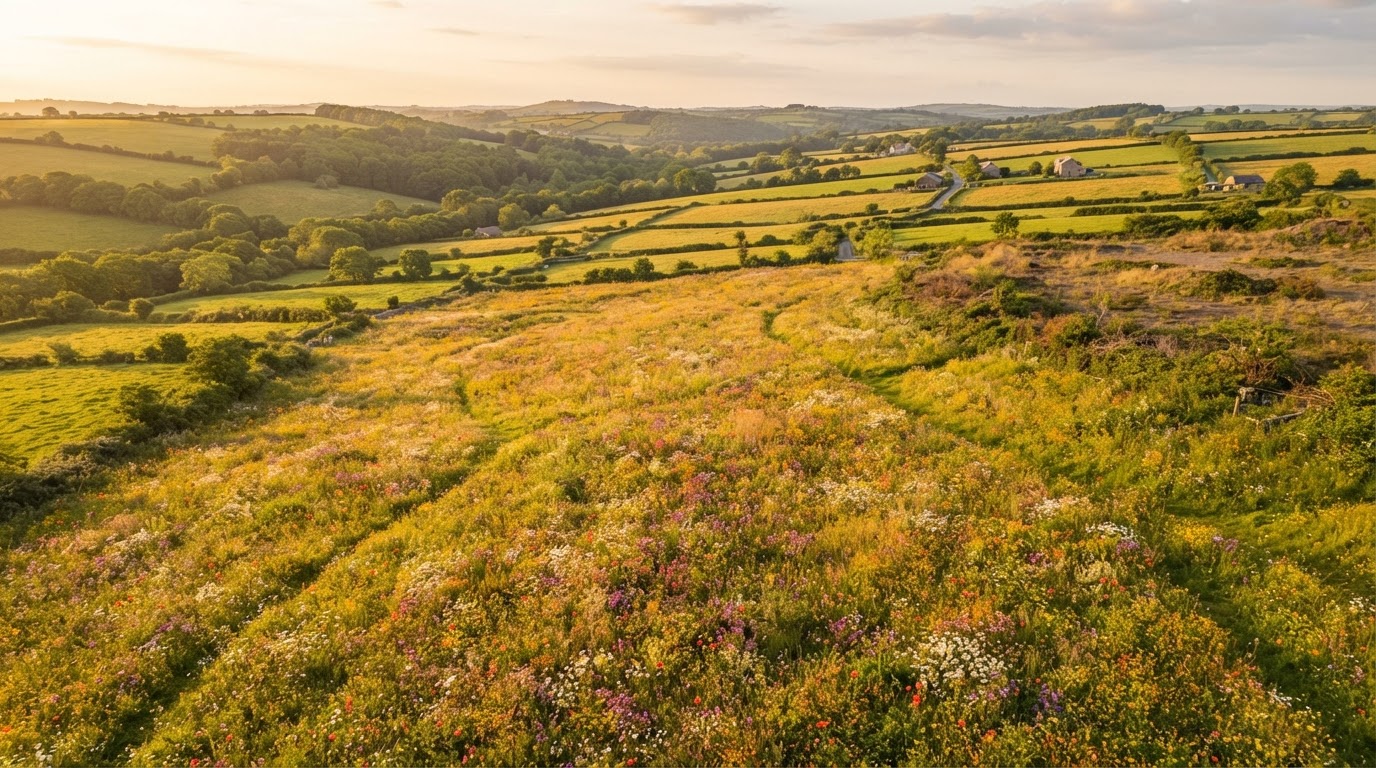
Three ways we turn land into life
Acquire unused land
We identify neglected plots — verges, lots, orchards — and secure them as pollinator habitat.
Find landShelters & hives
Honeybee hives, solitary bee shelters and nesting banks sited for shelter, sun and forage.
Trees & wildflowers
Native trees and nectar-rich wildflower meadows provide a continuous food source across the seasons.
What to plant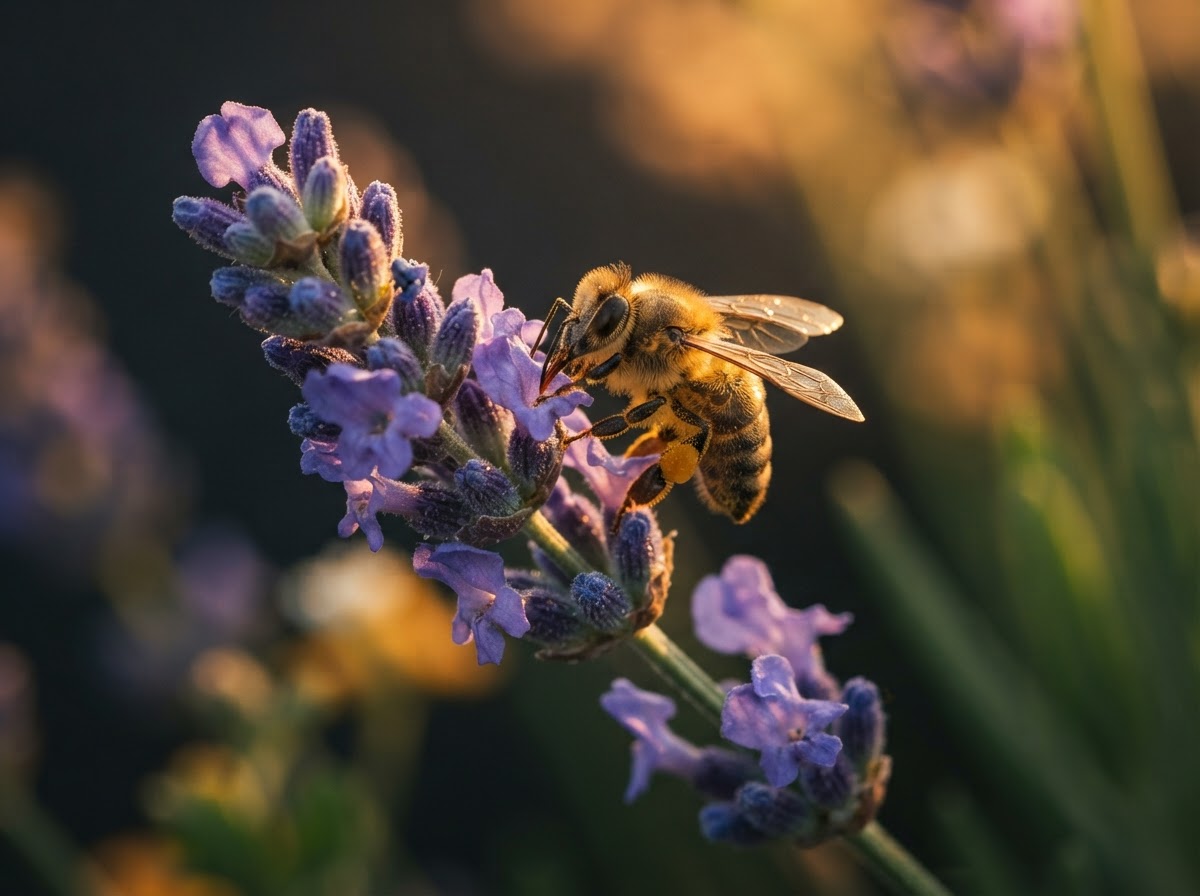
The South West is losing its pollinators
Since the 1950s, the UK has lost around 97% of its wildflower meadows. In the South West, more than a third of our bee species are now in documented decline — habitat loss, pesticides and a warming climate are pushing them to the edge.
Join the swarm of people bringing back the bees
Build a bee hotel this weekend, become a community beekeeper, request a free webinar, or learn the basics with our beginner's guide.